Encoding Reality into G-code Artifacts
Encoding Reality into G-code Artifacts
Encoding Reality into G-code Artifacts

Category:
Category:
Art & Technology
Art & Technology
Service:
Service:
Research & Design
Research & Design
Year:
Year:
2025
2025
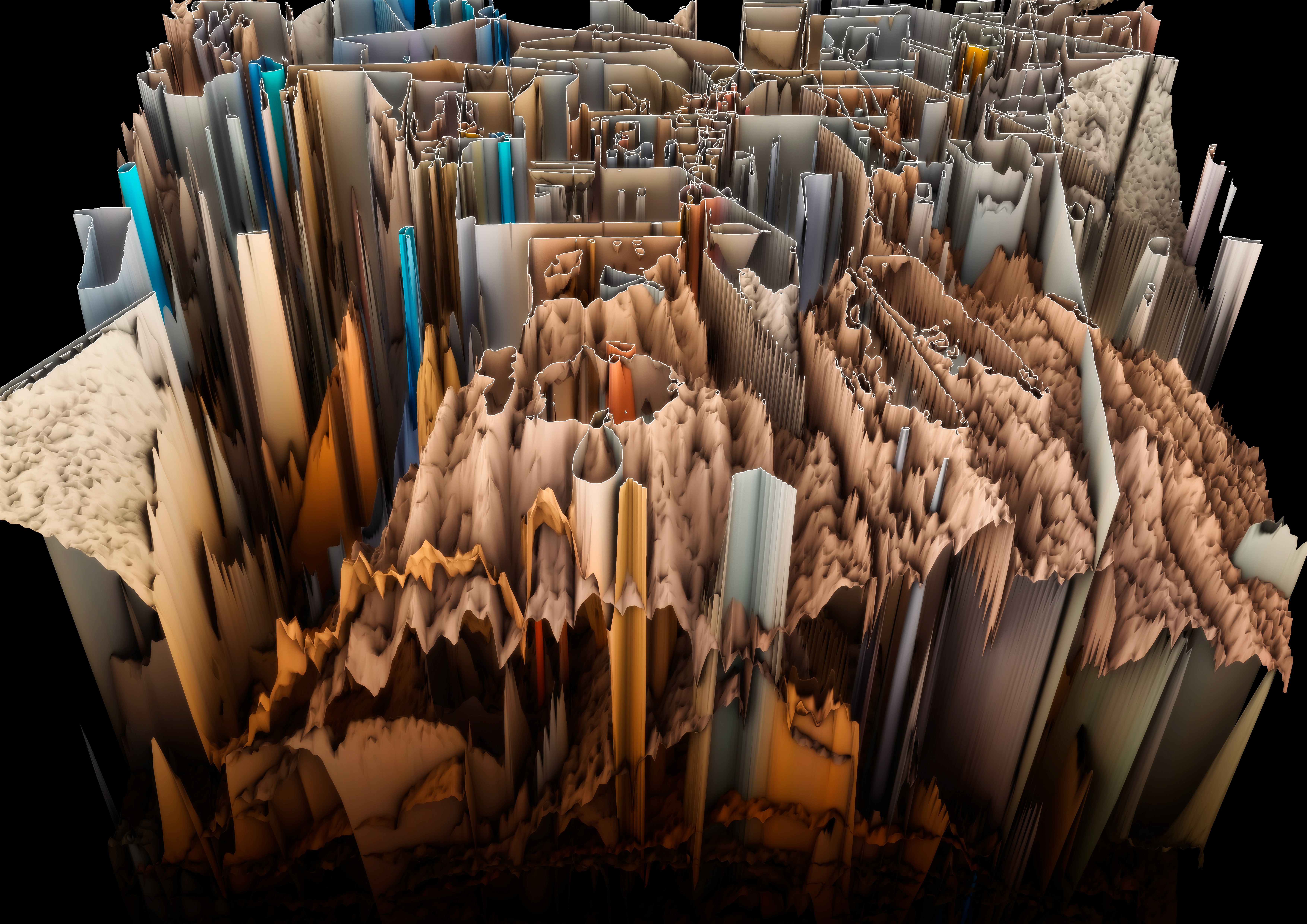
In traditional 3D printing workflows, G-code is merely a linear path to a result—a lossless transmission tool moving from a perfect digital model to a physical entity. However, this project seeks to disrupt this determinism, reimagining G-code not as a set of instructions, but as an expressive medium.
I am deeply fascinated by the "precise uncontrollability" inherent in FDM (Fused Deposition Modeling): while stepper motors execute micro precision displacements, the molten filament exhibits an unpredictable fluid texture and natural sag under the influence of gravity. This liminal space, woven together by machine logic and physical gravity, represents the most poetic territory in digital fabricati
In traditional 3D printing workflows, G-code is merely a linear path to a result—a lossless transmission tool moving from a perfect digital model to a physical entity. However, this project seeks to disrupt this determinism, reimagining G-code not as a set of instructions, but as an expressive medium.
I am deeply fascinated by the "precise uncontrollability" inherent in FDM (Fused Deposition Modeling): while stepper motors execute micro precision displacements, the molten filament exhibits an unpredictable fluid texture and natural sag under the influence of gravity. This liminal space, woven together by machine logic and physical gravity, represents the most poetic territory in digital fabricati
This project develops a web-based Gcode generative tool that transforms a webcam into a reality sampler, creating a direct feedback loop between the physical environment and the 3d priting process.
This project develops a web-based Gcode generative tool that transforms a webcam into a reality sampler, creating a direct feedback loop between the physical environment and the 3d priting process.
The project intentionally exploits the physical properties of overhangs during the printing process. By algorithmically controlling layer shifts and dynamic changes in extrusion rates, the filament creates natural collapses and textures while in a semi-molten state. These textures are physical artifacts that digital code cannot fully simulate on its own—born from the factors of gravity, temperature, and material viscosity.
The project intentionally exploits the physical properties of overhangs during the printing process. By algorithmically controlling layer shifts and dynamic changes in extrusion rates, the filament creates natural collapses and textures while in a semi-molten state. These textures are physical artifacts that digital code cannot fully simulate on its own—born from the factors of gravity, temperature, and material viscosity.

The aggregate visual weight (area and proximity) of detected contours drives the Base Radius. As a user moves their hand closer to the lens, the vessel "swells" in response; as they retreat, it contracts.
The aggregate visual weight (area and proximity) of detected contours drives the Base Radius. As a user moves their hand closer to the lens, the vessel "swells" in response; as they retreat, it contracts.

The complexity of the visual scene influences the noise frequency and fold depth. A chaotic visual environment breeds a rugged, turbulent surface texture, while a calm scene yields a smoother, more uniform finish.
The complexity of the visual scene influences the noise frequency and fold depth. A chaotic visual environment breeds a rugged, turbulent surface texture, while a calm scene yields a smoother, more uniform finish.
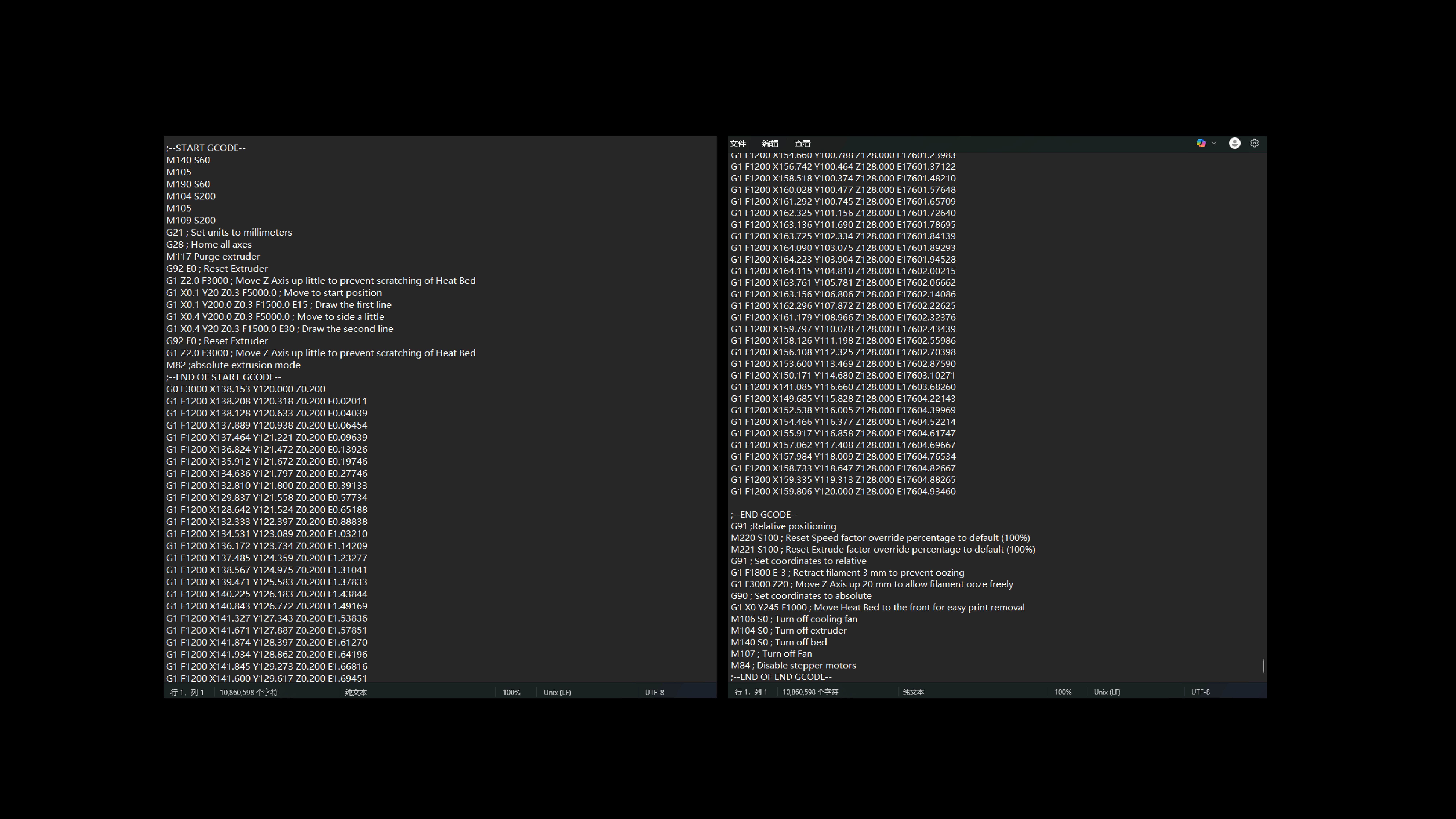
The program freezes ephemeral visual moments into 3d printed ceramic or plastic entities. Each generated vase is a topological snapshot of space-time from that specific instant—transmuting intangible "perception" into printable G-code.
The program freezes ephemeral visual moments into 3d printed ceramic or plastic entities. Each generated vase is a topological snapshot of space-time from that specific instant—transmuting intangible "perception" into printable G-code.